
It is not cruel to say that Volkswagen hasn’t had the smoothest journey towards electrification.
Models like the ID 4 and ID 5 were met with a lukewarm reaction from both customers and journalists, thanks in part to their forgettable exteriors and almost surgical cabins, while the internet lost its mind at the frustrating lack of physical buttons and infuriating infotainment systems.
Pile all this on top of a mediocre electric range and rivals that were just more exciting in pretty much every area, and you can understand why Volkswagen has decided to go back to the drawing board and update the majority of its electrified models.
Originally teased as the ID 2 or ID 2 All (awful names, we know), the latest ID model sensibly adopts the badge of one its best-selling models in history, as well as riding on an updated MEB+ platform that brings with it improved range, faster charging speeds and, perhaps more importantly, more enticing prices.
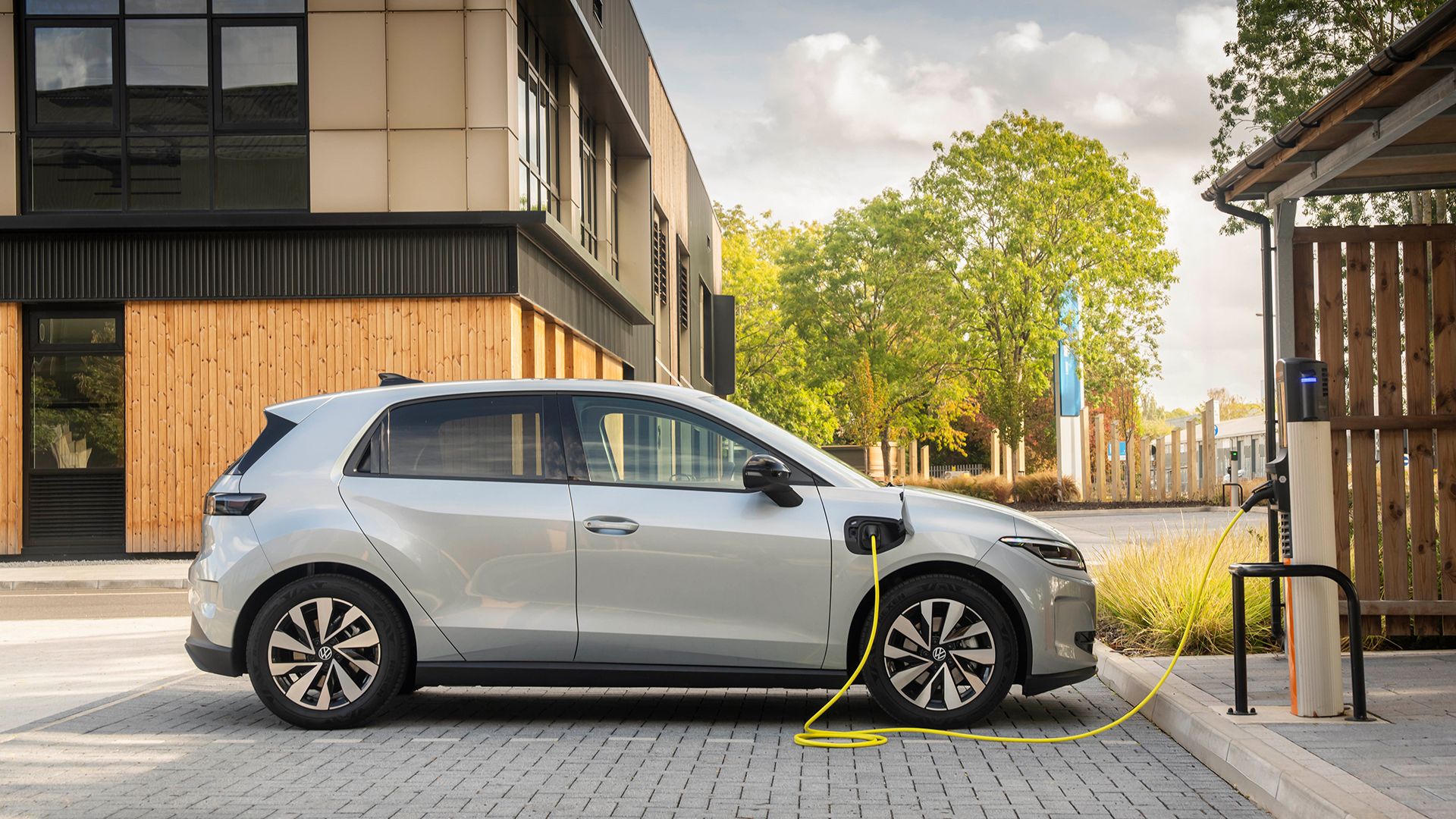
With a cavernous rear trunk, plenty of room inside for actual-size human beings and a top-quality cabin, the new ID Polo is here to prove that VW can still mix it with the latest batch of Supermini rivals, while at the same time making the experience feel a little more premium without blowing the budget.
To further ram home that point, the car starts at around £24,000 (around $32,000 / AU$45,000) in the UK — although VW hopes it will be eligible for the £3,750 Electric Car Grant), making it a keen rival to the excellent Renault 5 and the excellent Hyundai Ioniq 3.
Playing it safe
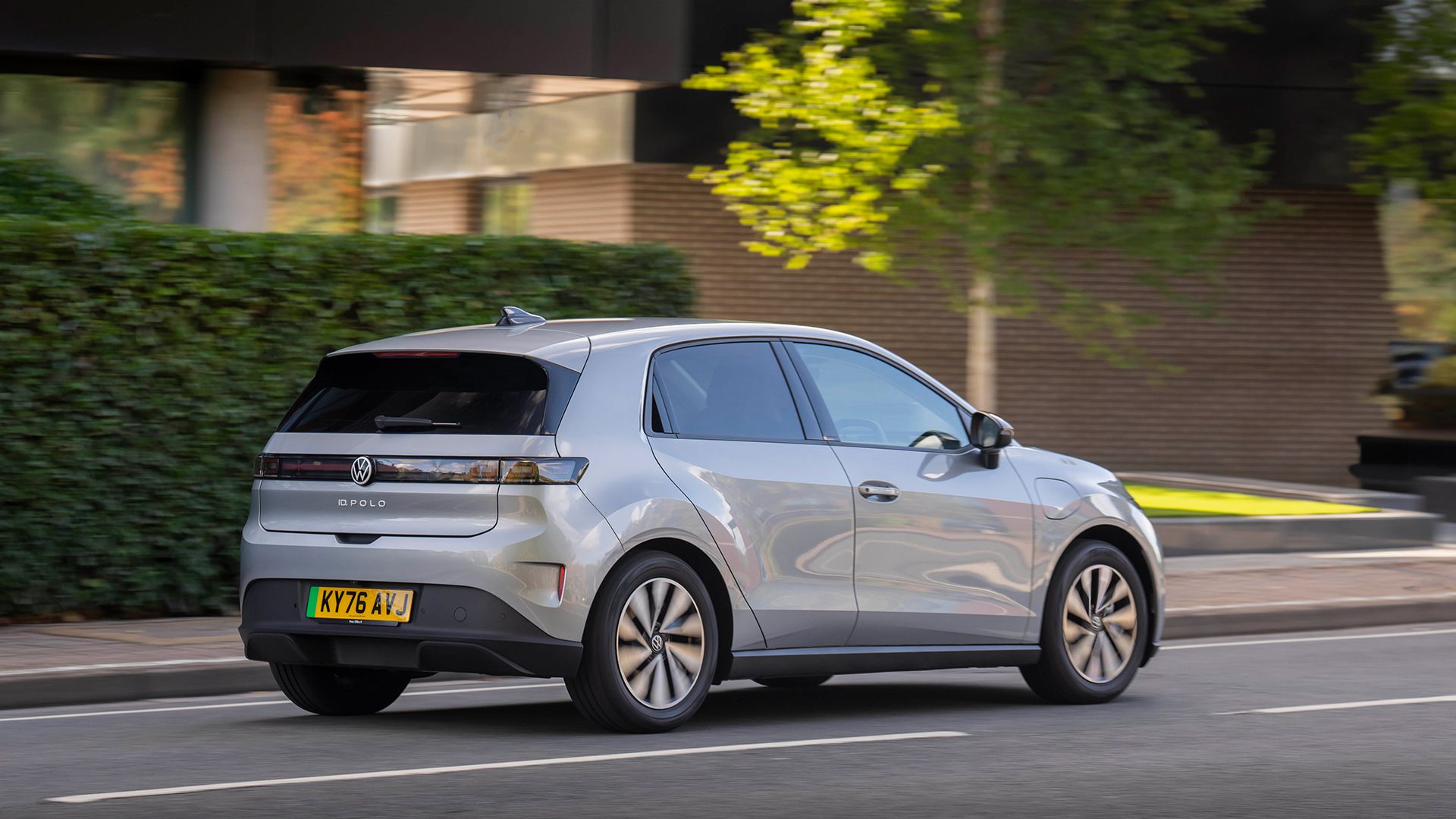
Since honesty is a core theme of this review, it's also fair to say the internal combustion Polo was never styled to stop traffic, but that hasn’t prevented it from selling over 20 million units since it entered production over half a century ago.
It is, hands-down, one of Europe’s most successful small cars.
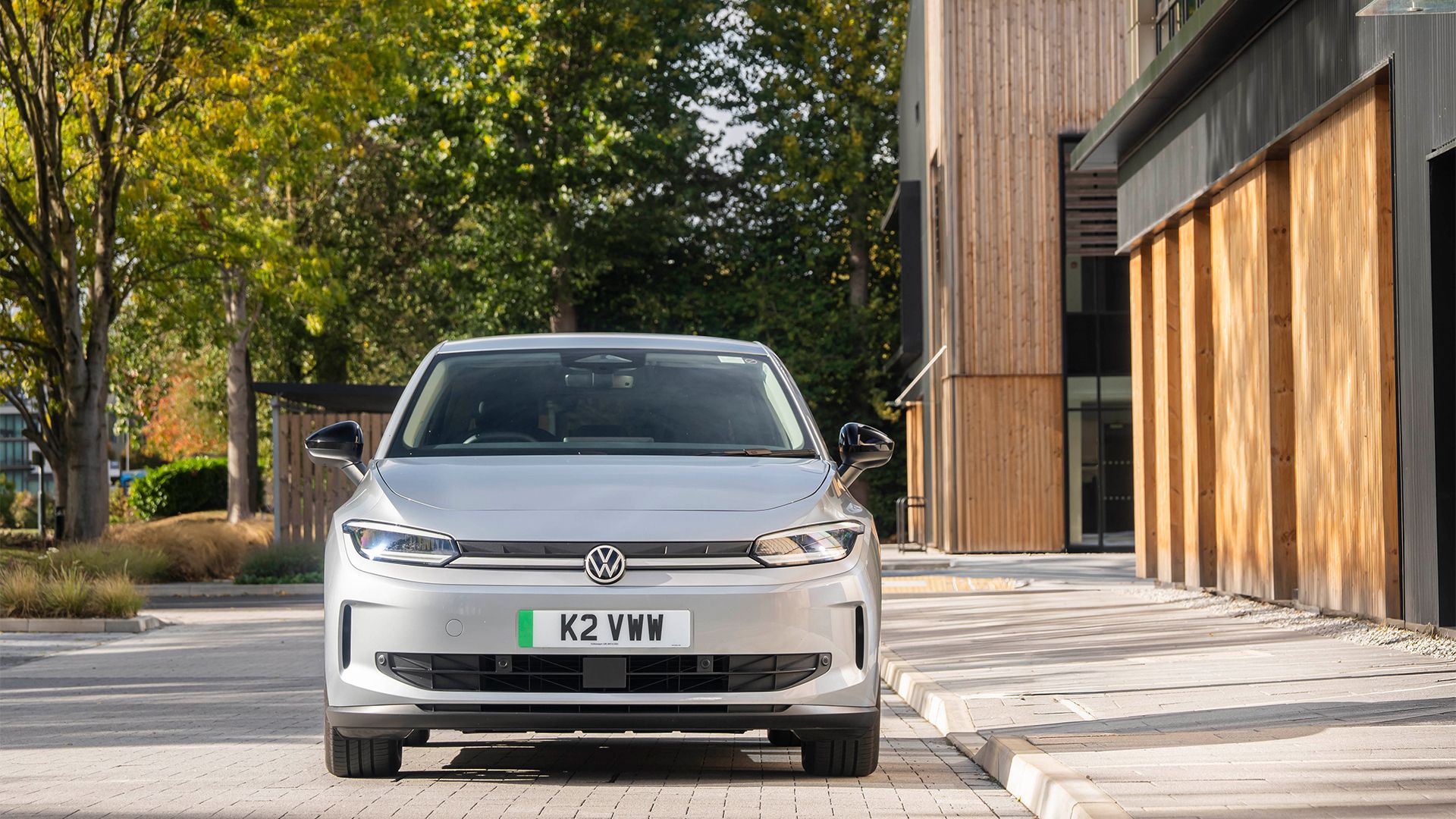
Unlike the rather bland blobs that first appeared wearing ID badges, the new electric Polo is proudly a VW product.
It’s actually a tiny bit shorter than its combustion engine counterpart, but the electric platform has allowed engineers to push all four wheels as far into the corners as possible to maximize space and give it a more purposeful stance on the road.
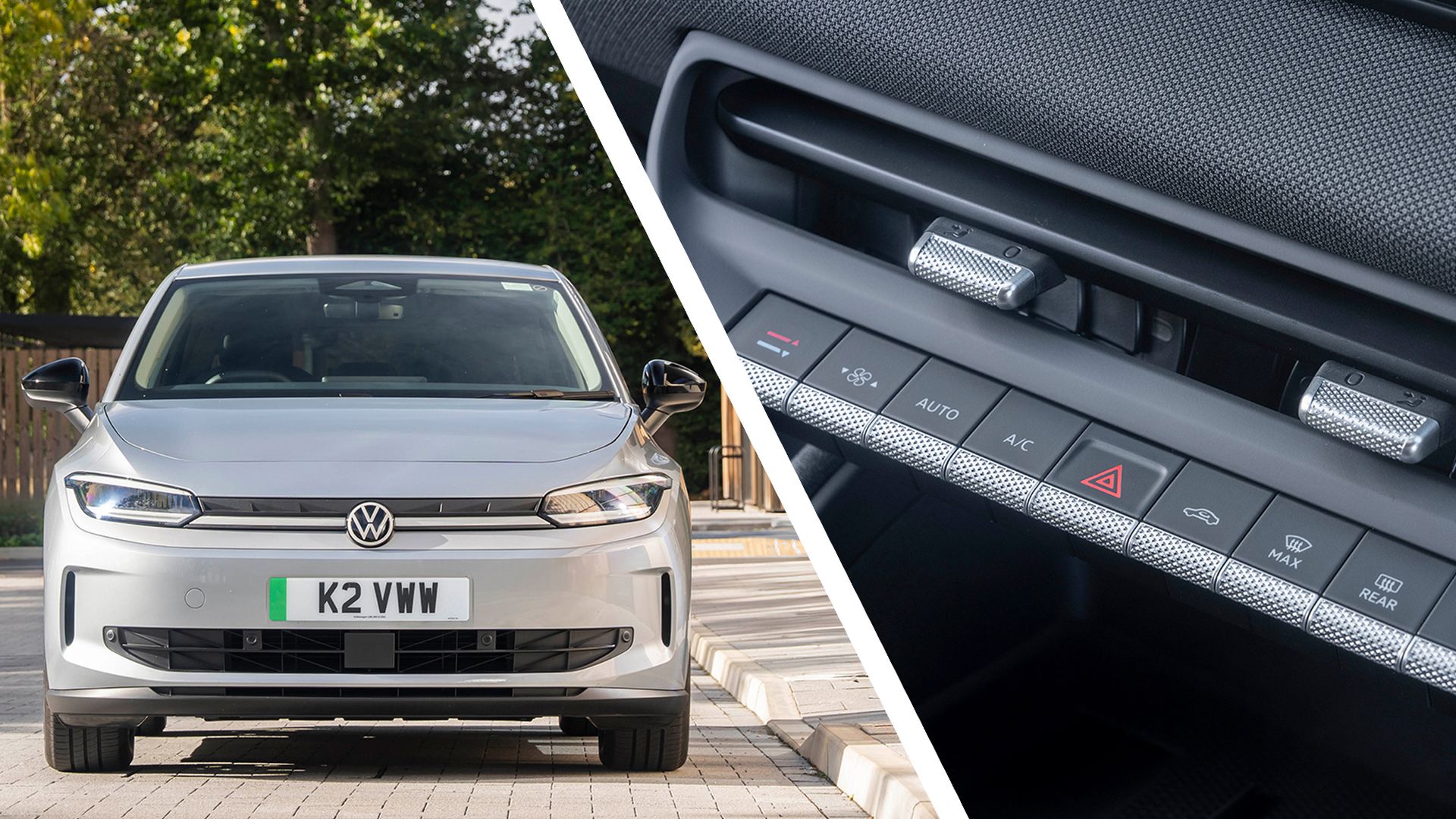
Drumroll please… physical buttons also make a welcome return
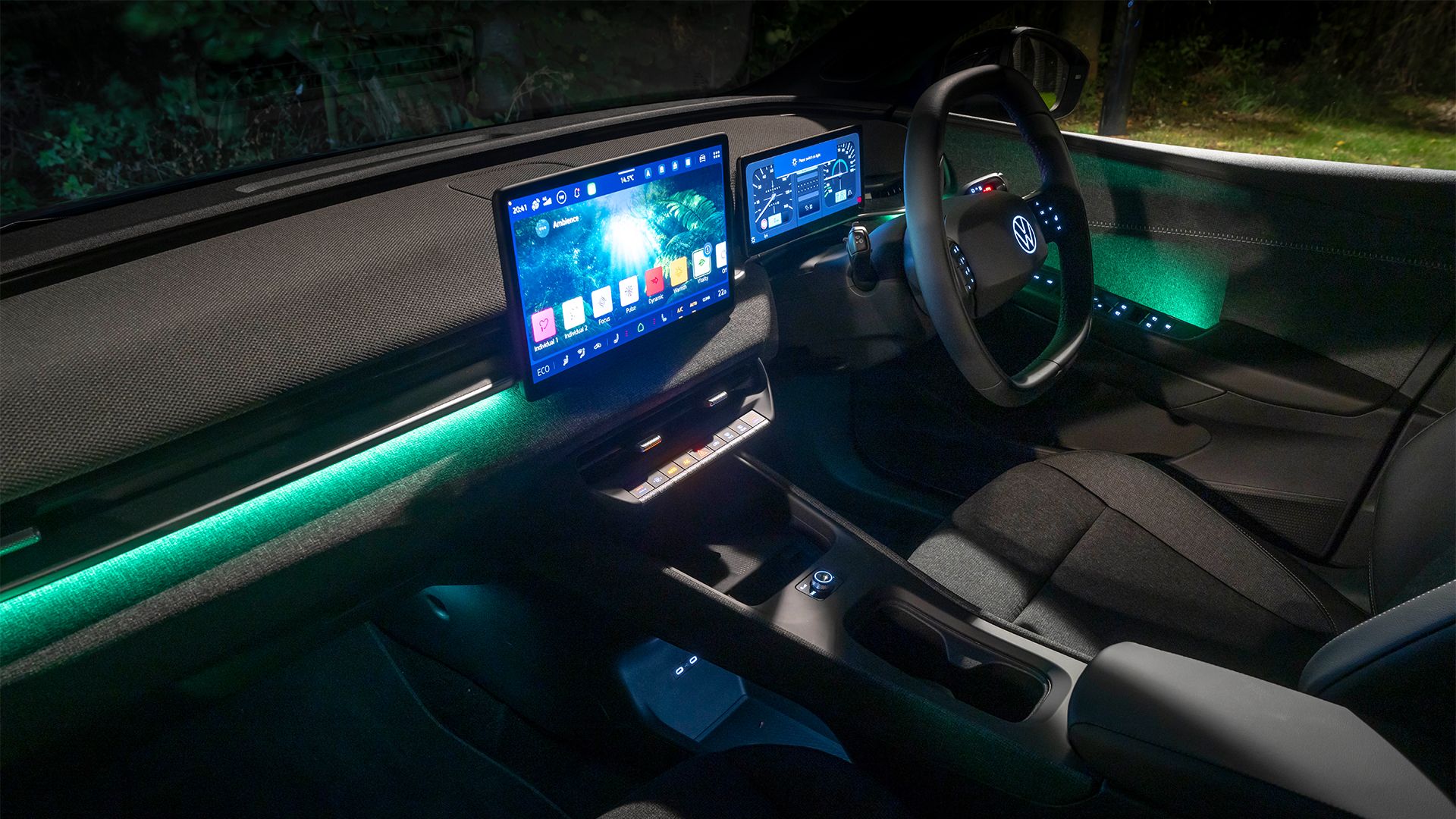
It sports VW’s ‘signature smile’ and glass-covered LED horizontal light bar at the rear, while the interior is festooned with premium-feeling, hard-wearing surfaces that look nice but also feel like they will stand the test of time.
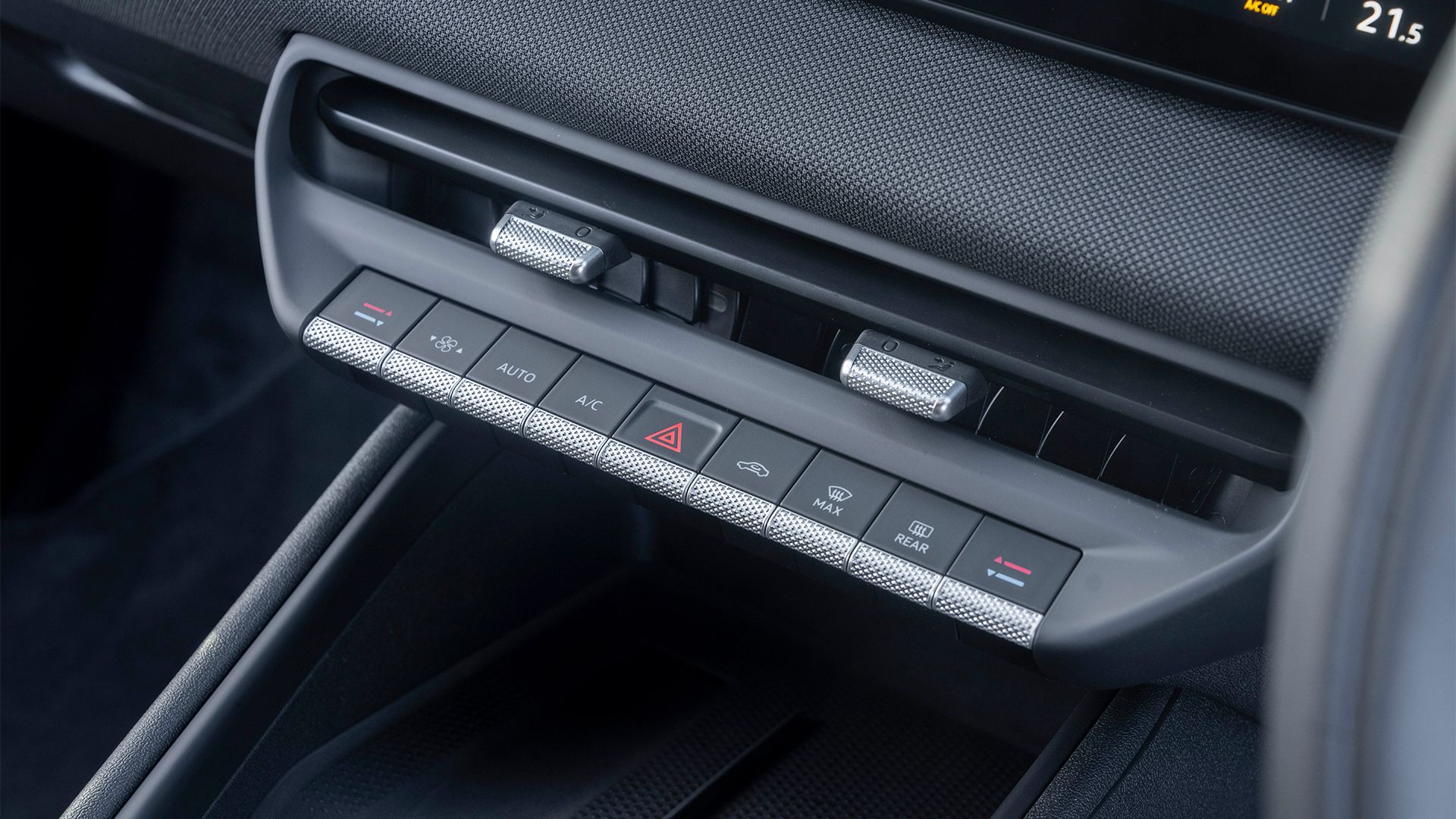
Drumroll please… physical buttons also make a welcome return, with four switches to operate all four electric windows (no more juggling just two with a fiddly button to switch between the front and the rear) and a neat row of hard keys under the infotainment touchscreen for the most important controls — including heating, hazards and windscreen defrosters.
The diminutive Polo’s interior is generally a really lovely place to sit and everything has clearly been considered by the designers and engineers, as all controls are easy to reach and everything feels familiar within minutes behind the wheel.
A 13-inch infotainment touchscreen is extremely easy to navigate and logically laid out, even offering ChatGPT integration for answering those burning road trip questions.
Plus, there’s a 10-inch digital driver’s display that can be customized, including an option to have it replicate the analogue dials of the first-generation Golf.
Predictably, this was probably my favorite feature, as it has been executed so well. Designers have even go so far as to add old-school LCD ‘ghosting’ around the digits to make it look and feel more realistic.
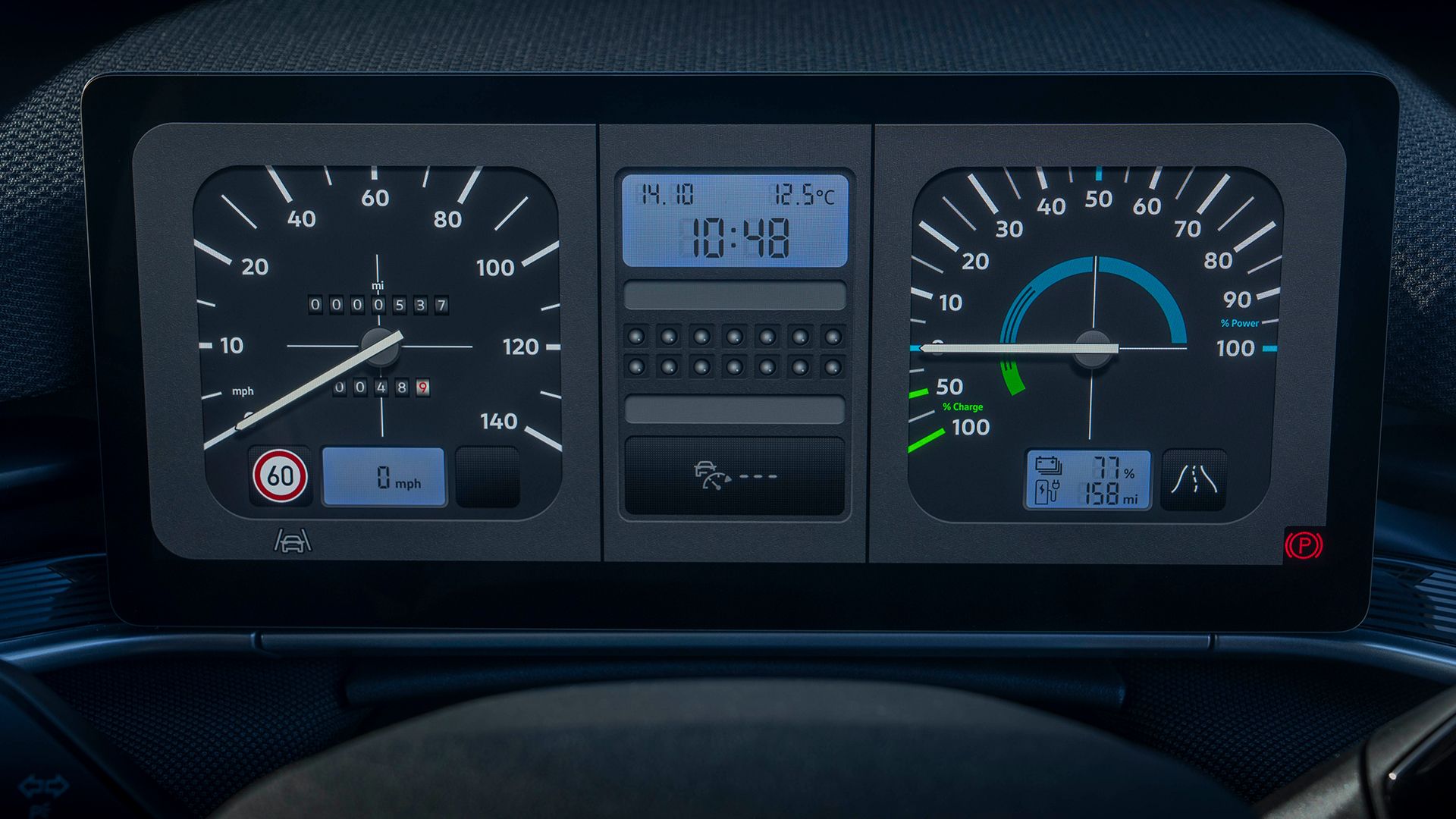
It’s the sort of character that was missing from earlier ID models, yet Volkswagen has stopped short of going all-out with the chintzy digital tricks.
As a result, the ID Polo feels like the more ‘grown-up’ choice, compared to something like the Renault 5 E-Tech, what with the enormous 441-liters of rear trunk space — 25 per cent larger than its combustion sibling — and sensible, hard-wearing materials used throughout the cabin.
Big car energy
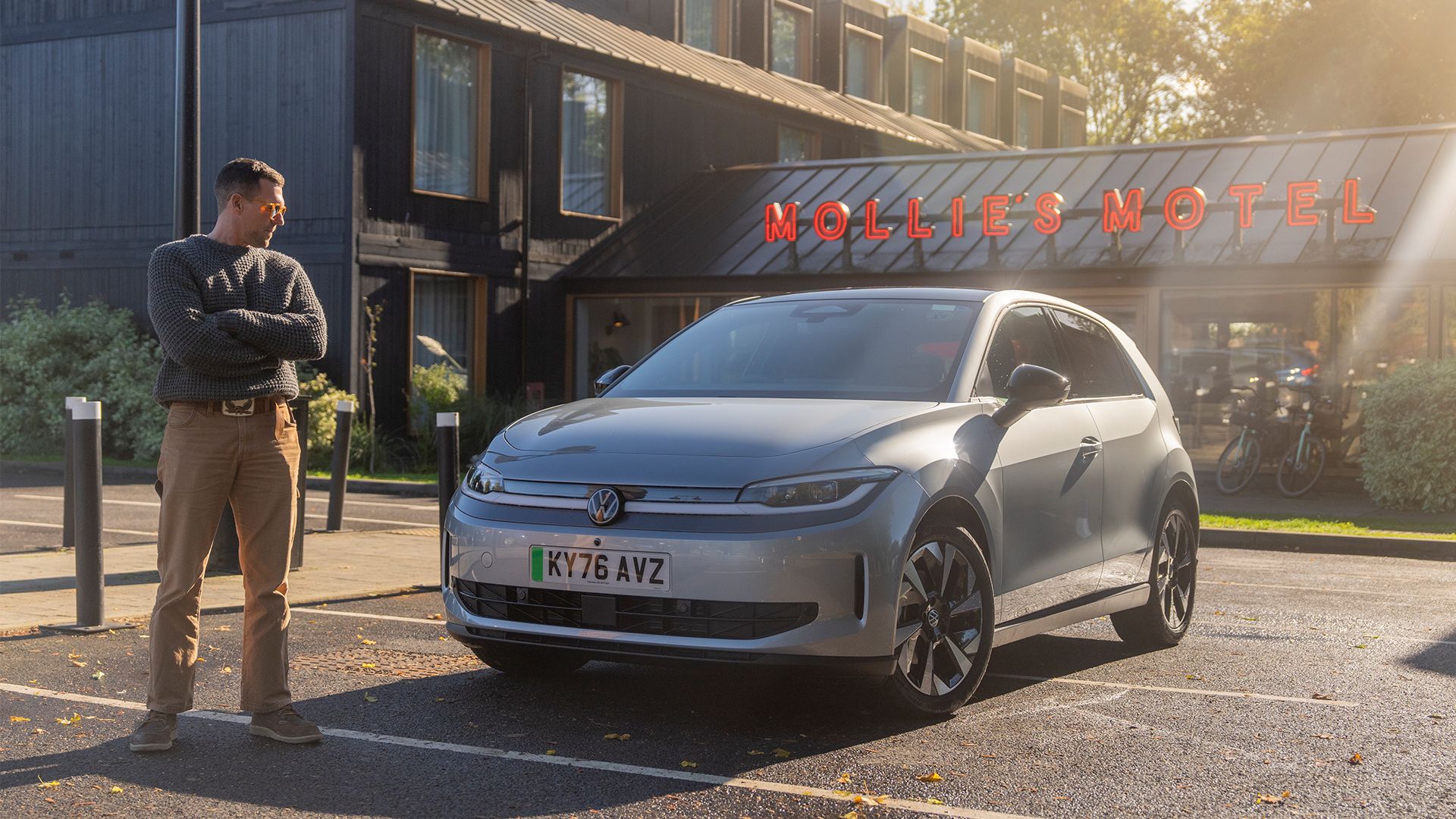
From launch, the ID Polo will be offered with the choice of a 37kWh lithium-iron-phosphate battery with a 208-mile range, or a larger 52kWh nickel-manganese-cobalt variant that delivers a claimed 278 miles of range.
There is also the choice of three power outputs (depending on the battery size), with the line-up starting with 116hp and increasing to 211hp in the most potent cars — that’s 'warm hatch' territory.
Naturally, Volkswagen was keen to showcase the most powerful versions, which can accelerate from 0-62mph in 7.1 seconds. It’s certainly not mind-bindingly fast in today’s EV terms, but the little supermini certainly feels brisk on real roads.
It comes across as a lot more ‘driver focussed’ than other small EV rivals
The steering is excellent and offers a good level of feedback, while the brakes are well-judged.
It comes across as a lot more ‘driver focussed’ than other small EV rivals, including Hyundai's budget Ioniq 3. Although it’s not quite as thrilling as the Cupra Raval, which shares similar underpinnings.
Plus, despite its small size, it does what all good VW’s do and handles the boring grown-up drives as well as the more spirited urban dashes and country lane blasts.
Its footprint might be small, but it doesn’t feel out-gunned at highway speeds. In fact, it eats up motorway miles comfortably.
There’s even the option to add massaging seats to the car as an optional extra — arguably a feature that just isn’t found in the supermini class… until now.
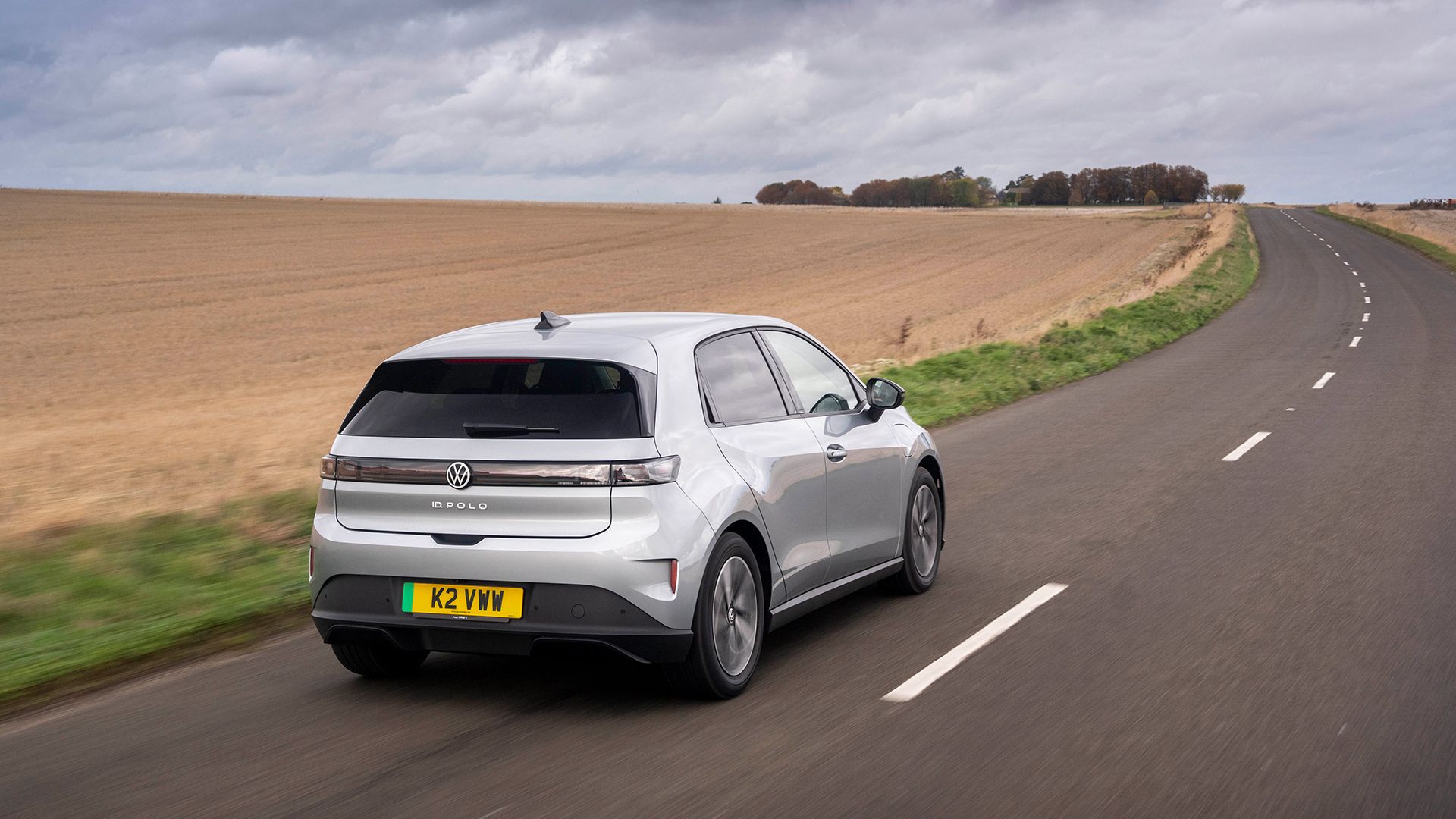
Max charging rate of the larger battery is 105kW from DC outlets (90kW for the smaller battery), which doesn’t sound like much but due to the relatively limited battery capacity, the fastest pit stops take around 25 minutes for a 10-80 per cent top-up. Not bad at all VW.
Ushering in a new era
We’ve got a lot more to look forward to from the German marque, which has been in the news lately for cutting jobs and generally stripping back its model line-up to improve efficiencies.
Part of the plan is to update most of its electrified range, as well as introducing models like the rough-and-ready ID Cross, the larger ID Tiguan and, of course, full-fat GTI versions of both the Polo and the ID 3.
As a car to welcome in this new era, the electrified Polo is a great example. VW has clearly listened to feedback and answered criticism with a real consumer-focussed EV.
It represents excellent value for money, will be cheap to insure and delivers that premium VW feel without forgetting all of the important practical stuff.
In short, it does everything the best-selling Polo has done for more than half a century, yet future-proofs the formula so it can be successful for half a century more.


